Despite its name, "Stainless" steel is not 100% immune to stains or rust if neglected or exposed to harsh chemicals. When the protective passive layer (Chromium Oxide) is compromised, rust can quickly set in. In this article, Trinity Dynamic shares professional maintenance secrets to keep your stainless steel plates and equipment looking brand new for decades.
1. Tailored Cleaning by Surface Finish
Different surface finishes require specific care to prevent permanent scratches:
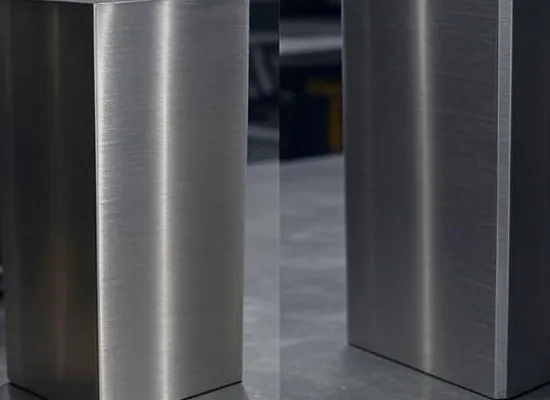
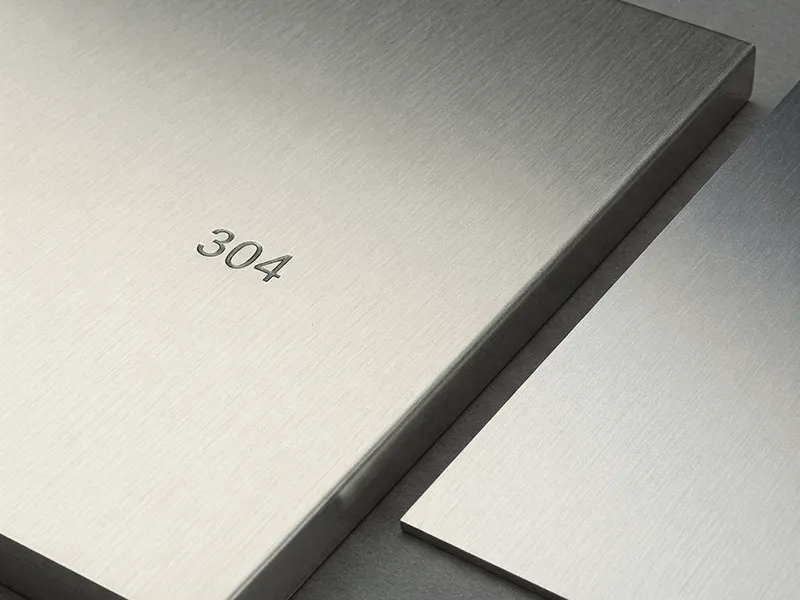
Hairline (HL) / Brushed Finish
"Always wipe strictly in the direction of the grain." Wiping across the grain will create permanent scratches. Use a soft cloth with warm soapy water and wipe parallel to the existing brush lines.
Mirror Finish (No.8)
Highly sensitive to fingerprints and micro-scratches. Only use dedicated glass cleaners or specialized stainless steel polish with a clean microfiber cloth to maintain its super-reflective clarity.
*For Industrial Finishes (2B / No.1): Standard high-pressure water washing is usually sufficient to remove factory dust and chemical residues.
2. The 5 "DOs" for Extending Stainless Steel Life
- Always Dry Immediately: After washing, dry the surface completely. Allowing tap water to air-dry leaves mineral deposits known as "water spots," which can be very difficult to remove later.
- Use Warm Water for Grease: Warm water mixed with a mild dish detergent is the safest and most effective way to cut through oil, fingerprints, and grease without damaging the metal.
- Use Nylon Brushes Only: If scrubbing is necessary for stubborn dirt, exclusively use brushes with nylon bristles.
- Perform Passivation When Needed: For industrial tanks and welded joints, a mild acid treatment (passivation) removes free iron from the surface and rapidly rebuilds the rust-proof chromium oxide layer.
- Inspect Deep Scratches: Deep gouges can trap moisture and initiate corrosion. Clean these areas thoroughly and consider spot-polishing if necessary.
3. The 5 Absolute "DON'Ts" of Stainless Maintenance
- Never Use Steel Wool: Carbon steel fragments will embed into the stainless surface and quickly rust (Galvanic Corrosion), ruining the material.
- Avoid Toilet Bowl Cleaners (Hydrochloric Acid): Cleaners containing chlorides or strong acids are the #1 enemy of Grade 304. They will strip the protective film and cause immediate rusting.
- No Bleach (Chlorine): Highly concentrated chlorine bleach will dull the finish and cause severe micro-pitting.
- Don't Leave Iron Tools on Wet Surfaces: Leaving wet carbon steel tools or cans on a stainless sink will cause "Rust Transfer."
- Don't Let Sea Salt Accumulate: Especially for coastal architecture, regularly wash away salt spray with fresh water—even if you are using Marine Grade 316L.
How to Restore Stainless Steel with Minor Rust Spots
If you notice light brown spots (Tea Staining) forming on the surface, do not panic. Use a specialized, non-abrasive stainless steel polishing powder. Rub gently (along the grain), rinse thoroughly with clean water, and dry completely. Once exposed to oxygen, the chromium inside the steel will self-heal and form a new protective layer.
Need Expert Advice on Material Longevity?
At Trinity Dynamic, we don’t just sell stainless steel sheets and pipes; we are your materials science consultants. We are happy to advise you on selecting the right grade and maintaining it to maximize your project's ROI.
Contact Our Technical Support Team