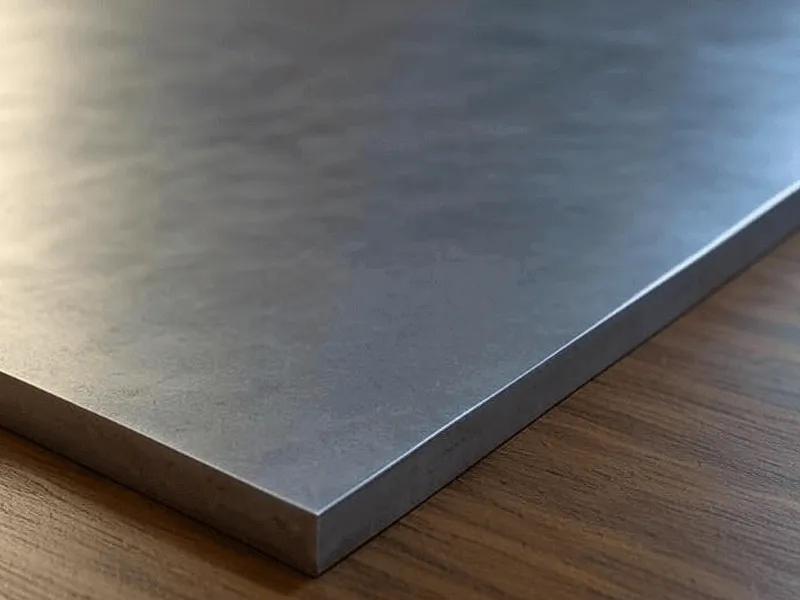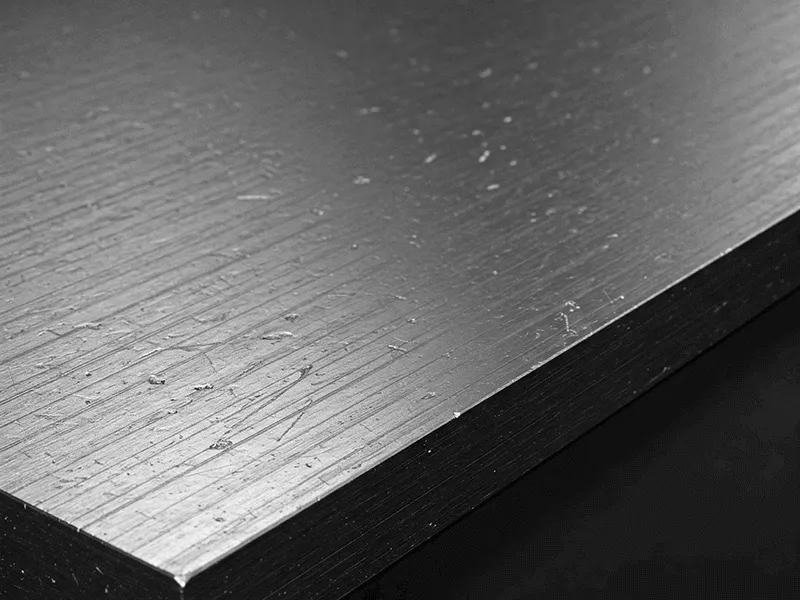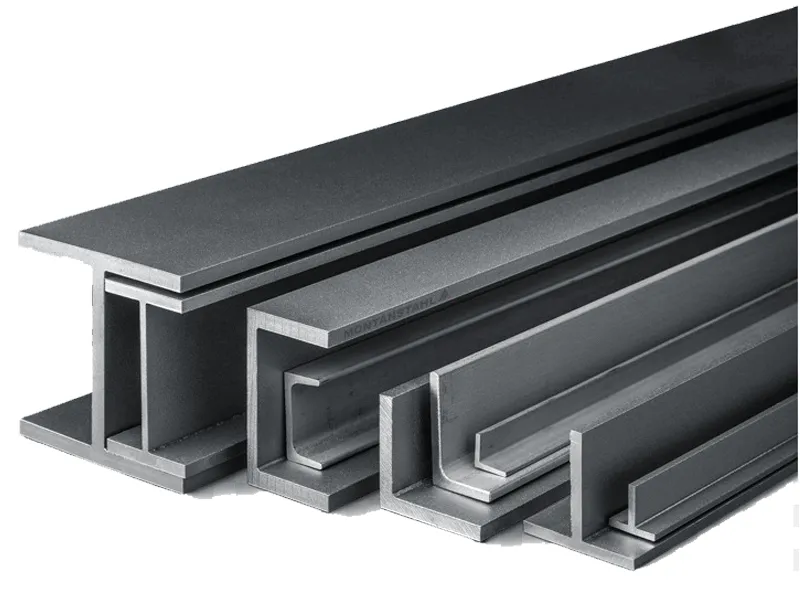
We often colloquially refer to strong, dark metals simply as "iron." However, in materials science and engineering, "Iron" and "Steel" are distinctly different. While Iron is hard but brittle, Steel is known for its toughness and flexibility. In this article, Trinity Dynamic explores the fundamental differences and the types of steel you will encounter in industrial applications.
The Core Difference: Iron vs. Steel
The key factor that separates the two is their Carbon content.
- Iron (Fe): In industrial terms (Cast Iron), it refers to an alloy with a high carbon content (more than 2%). It is very hard but "brittle," meaning it can crack or shatter under impact and cannot be easily bent. It is typically cast into molds.
- Steel: Produced by refining iron and reducing its carbon content to under 2%. This process makes the metal "tough, ductile, and high in tensile strength." Steel can be rolled, bent, and welded excellently, which is why it makes up 90% of materials used in construction and industry.
Deep Dive: 2 Main Types of Iron & Steel
1. Cast Iron - Hard but Brittle
Contains 2% - 4% carbon. Its main advantage is a lower melting point, making it easy to pour into complex molds. It is used for components that require hardness and vibration damping but do not need to withstand high tensile stress or impacts.
- Applications: Engine blocks, cast iron skillets, manhole covers, heavy machine bases.
2. Steel - Tough and Strong
The hero of the industrial world, broadly divided into two categories:
2.1 Carbon Steel
Consists primarily of iron and carbon. It is graded by its hardness:
- Low Carbon (Mild Steel): Ductile, easy to form and weld (e.g., rebar, structural beams).
- Medium Carbon: Stronger and more wear-resistant (e.g., shafts, gears).
- Specialty/Pressure Vessel Steel: Carbon steel engineered specifically to withstand extreme pressure and heat, such as Boiler Plate (ASTM A516 Gr.70) used for gas tanks and industrial boilers.
2.2 Alloy Steel
Steel that has been alloyed with additional elements to achieve superhuman properties:
- Chromium added: Creates a rust-proof shield = Stainless Steel.
- Manganese added: Increases wear resistance and impact strength.
- Tungsten added: Provides high heat resistance (used for tool steels and molds).
Comparison Table: Cast Iron vs. Steel
| Properties | Cast Iron | Steel |
|---|---|---|
| Carbon Content | High (> 2%) | Low (< 2%) |
| Strengths | Can be cast into complex shapes, excellent vibration damping | Tough, high tensile strength, highly weldable and formable |
| Weaknesses | Brittle, shatters on impact, cannot be bent | Slightly more expensive to produce than cast iron |
| Examples | Manhole covers, machine bases | Building structures, car bodies, pressure vessels, industrial pipes |
Looking for Specialty Industrial Steel?
Trinity Dynamic specializes in supplying world-class Stainless Steel and Boiler Plates. We offer custom cutting and full technical support for your engineering projects.
Consult Experts & Get a Quote