Galvanized Steel vs Stainless Steel: What’s the Difference & Which to Choose?
In the construction and manufacturing industries, there is frequent confusion between "Galvanized Steel" and "Stainless Steel." Because they both have a silver appearance and offer rust resistance, many assume they are interchangeable. However, their internal structures and durability are worlds apart. In this article, Trinity Dynamic dissects the structural differences to show you exactly which material your project needs.
What is Galvanized Steel?
Galvanized steel is essentially regular Carbon Steel that has been "armored" with a Zinc coating. This coating protects the underlying steel from oxygen and moisture, preventing rust. There are two main galvanizing processes:
- Hot-dip Galvanizing: The steel is submerged in molten zinc, creating a thick, highly durable coating. It is ideal for outdoor structural applications like streetlights and highway guardrails.
- Electrogalvanizing: Uses an electrical current to apply a thinner, smoother zinc coating. It is preferred for indoor applications, appliances, and automotive body panels.
The Fatal Flaw of Galvanized Steel Compared to Stainless
While galvanized steel provides good rust protection, it has physical limitations that genuine stainless steel overcomes:
- The Armor Can Be Breached: Zinc is merely a surface coating. If the material suffers a deep scratch exposing the bare carbon steel underneath, rust will begin at that spot and rapidly spread.
- Vulnerable to Salt and Chemicals: Saltwater and marine air quickly corrode the zinc layer. Galvanized steel is highly unsuitable for coastal areas (unlike Stainless Steel 316L, which thrives in such environments).
Comparison Table: Galvanized vs. Stainless Steel
| Criteria | Galvanized Steel | Stainless Steel |
|---|---|---|
| Material Structure | Carbon Steel Core + Zinc Surface Coating | Homogeneous Alloy (Iron + Chromium + Nickel) |
| Lifespan | Moderate (20-50 years, depending on environment) | Extremely Long (100+ years), virtually immortal if maintained |
| When Scratched | Rusts immediately at the exposed scratch | Does not rust (Self-healing Chromium Oxide layer) |
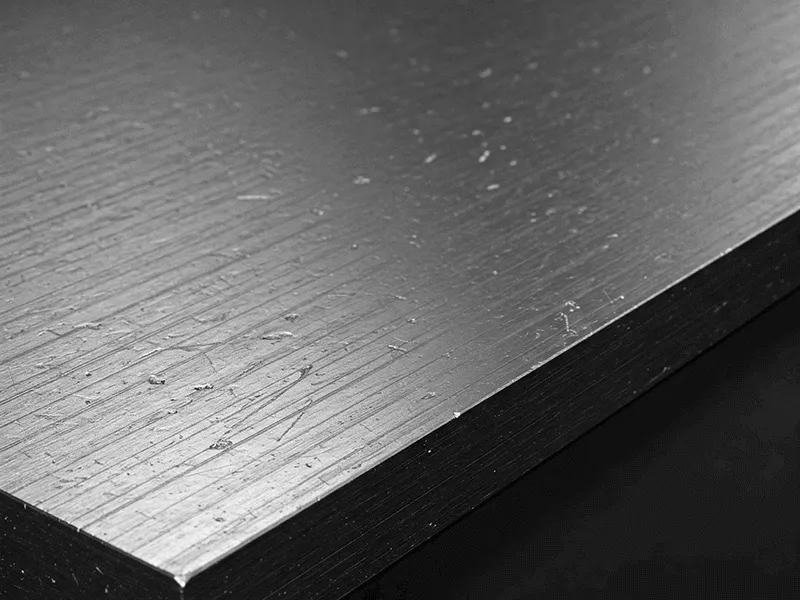
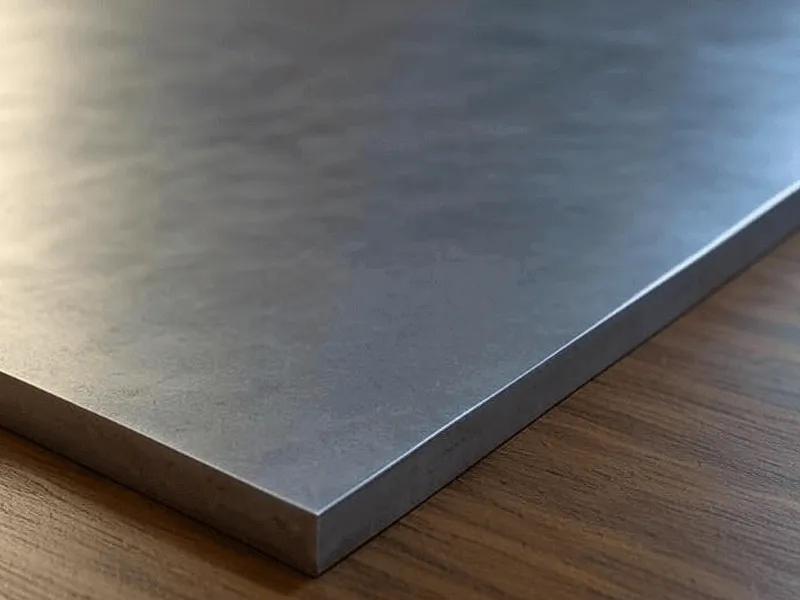
| Aesthetics | Dull silver or spangled (flake-like) pattern | Elegant, shiny finishes (e.g., Mirror or Hairline) |
| Estimated Cost | Lower initial material cost | Higher initial cost (but lower long-term maintenance) |
Conclusion: Which Should You Choose for Your Project?
✅ Choose "Galvanized Steel" when:
- Budget is constrained, and you need to reduce structural costs.
- The application is generally indoors or in dry areas.
- It's for large structural frameworks where close-up aesthetics are not a priority.
✅ Choose "Stainless Steel (304 / 316L)" when:
- You require maximum durability with virtually zero maintenance (Maintenance-free).
- The application involves Food and Pharmaceuticals (Food Grade)—galvanized steel is unsafe for food contact.
- The project requires a luxurious, high-end architectural finish.
- The location is near the sea, swimming pools, or exposed to harsh chemicals (Grade 316L recommended).
Can't Decide? Let Us Calculate the ROI
Sometimes, investing in stainless steel is far more cost-effective than repeatedly repairing galvanized structures over the long term. Trinity Dynamic's engineering team is ready to recommend the most "cost-effective" material for your project.
Contact for a Free Consultation