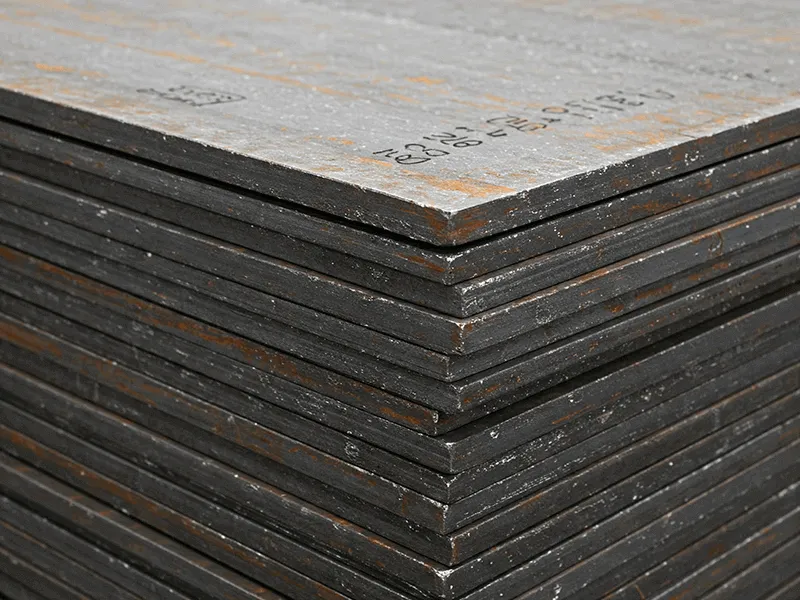
Investing in specialty steel like Carbon Steel Boiler Plate (ASTM A516) is the first step toward industrial safety. However, operating 24/7 under extreme heat and massive pressure can degrade even the toughest materials over time. In this article, Trinity Dynamic outlines four proactive engineering maintenance strategies to keep your pressure vessels performing optimally and safely for decades.
1. Proactive Corrosion Control
Although ASTM A516 Grade 70 is a highly ductile, high-tensile steel, its core structure remains carbon steel, making it vulnerable to oxidation if not properly managed:
- External Coating: For the exterior shell of the vessel, high-quality, heat-resistant industrial coatings must be applied and maintained to prevent rust caused by atmospheric moisture.
- Internal Water Treatment: In boiler applications, controlling the pH levels and dissolved oxygen in the water is critical. Poor water treatment can lead to internal corrosion, thinning the boiler plate and reducing pressure tolerance.
2. Fatigue and Flaw Inspection (NDT)
Pressure vessels undergo cyclic loading (repeated pressurization and depressurization), which can lead to metal fatigue:
- Non-Destructive Testing (NDT): Routine inspections using Ultrasonic Testing (UT) or Magnetic Particle Inspection (MPI) are mandatory under ASME codes. These tests detect microscopic internal flaws or stress fractures before they propagate into critical failures.
- Avoiding Thermal Shock: Sudden temperature changes (e.g., injecting freezing water into a hot boiler) induce severe thermal stress. This rapid contraction can cause the steel structure to crack instantly.
3. The Critical Nature of Quality Welding
If maintenance or modifications require welding on a pressure vessel plate, strict protocols must be followed. This is often the most vulnerable point for safety:
- Only use Certified Welders experienced with pressure vessel codes.
- Select filler metals that match or exceed the Tensile Strength of Grade 70 to ensure the weld seam is as robust as the base metal.
- Implement proper Pre-heating and Post-Weld Heat Treatment (PWHT) to relieve residual stresses and prevent weld decay or cracking.
4. MTC Verification Before Modifications
When replacing parts or expanding an existing vessel, you must use steel of the exact same standard. Procurement and engineering teams must thoroughly verify the Mill Test Certificate (MTC) of the new plates. Ensuring the chemical composition matches the existing steel prevents galvanic corrosion and ensures smooth, defect-free welding.
Conclusion: Proper Maintenance Saves Millions
World-class Carbon Steel Boiler Plates supplied by Trinity Dynamic are designed to last for decades. A rigorous proactive maintenance plan not only saves your project significant repair budgets but, more importantly, ensures the absolute safety of all facility personnel.
Need Technical Specs for ASTM A516 Steel?
Trinity Dynamic’s sales engineers are ready to assist with grade selection, weight calculations, and sourcing high-tensile steel plates backed by comprehensive international Mill Test Certificates.
Contact Us for a Free Consultation